ACT (Acceptance and Commitment Therapy) focuses on developing psychological flexibility — the ability to make room for difficult thoughts and feelings, clarify what matters to you, and take action in the direction you choose. Sessions are available at my clinic in Givatayim, online, or as “Walk & Talk” therapy outdoors.
ACT (Acceptance and Commitment Therapy) focuses on developing psychological flexibility – the ability to make room for difficult thoughts and feelings, clarify what matters to you, and take action in the direction you choose. Sessions are available at my clinic in Givatayim, online, or as “Walk & Talk” therapy outdoors.
Therapy offers an opportunity to pause, take a closer look, and explore what is happening in your life right now; what is occupying your mind, what feels difficult and what you would like to be different.
As we work together, we will identify patterns, thoughts, and ways of coping that may have helped you in the past but may now be limiting you or pulling you away from the life you want to live. At the same time, we will clarify the values that matter to you and explore what can help you move in their direction.
ACT does not aim to eliminate difficult thoughts or feelings. Instead, it focuses on developing the ability to relate to them differently – with greater flexibility, choice, and freedom to act even when they are present.
The process is tailored to your needs and can take place at my clinic in Givatayim, online via Zoom, or as “Walk & Talk” therapy in the park.
Clinic in Givatayim
In-person sessions in a quiet, private and comfortable setting.
Online therapy (Zoom)
A flexible and convenient option that allows for continuity in therapy, even from a distance.
"Walk & Talk״ Therapy
Therapy sessions in the park, combining conversation, movement, and time outdoors.


“Every person has the inner strengths and resources to develop awareness, create meaningful behavioral change, set goals, grow and heal.”
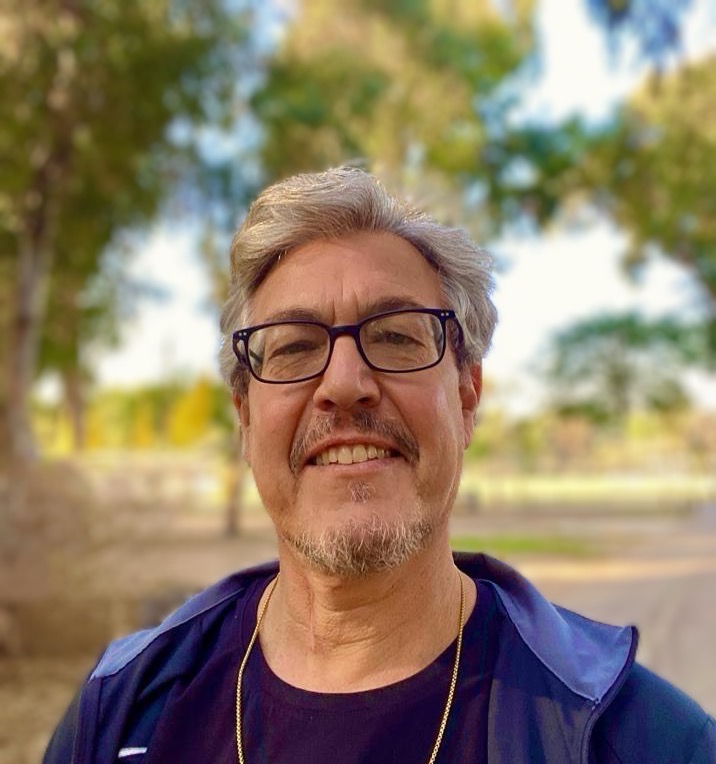
I’m Muli. A psychologist (Lic. No. 186062) working with ACT (Acceptance and Commitment Therapy). I hold a BA in Psychology and an MA in Social Psychology, with a focus on Sport Psychology, from Reichman University. I graduated with honors in both degrees. I am also part of the training faculty at Reichman University’s Resilience Center clinical program.
I work with adults, adolescents, athletes, and employees in organizations, around issues such as anxiety, burnout, life crises, feeling stuck, decision-making and periods of change.
Alongside ACT, I draw on knowledge from sport psychology, resilience and mindfulness.
Beyond any therapeutic approach or set of tools, I see the therapeutic relationship itself as one of the central forces that makes change possible. It is important to me that our conversations feel warm, accepting, empathic, and non-judgmental, and that they help you reconnect with the strengths and resources you already have.
For me, therapy is not only a place to talk about difficulties. It is also an opportunity to develop greater flexibility, strengthen your sense of capability, and move actively toward a life that feels more aligned and meaningful.
ACT – Acceptance and Commitment Therapy – is a research-based therapeutic approach that focuses on developing psychological flexibility. The goal is not to eliminate difficult thoughts or feelings, but to learn how to relate to them differently, clarify what matters to you, and take action in that direction even when discomfort is present.
ACT can be helpful in dealing with anxiety, burnout, stress and overwhelm, life crises, feeling stuck, perfectionism, self-criticism, procrastination, uncertainty, and difficulties with decision-making. The focus is not only on the difficulty itself, but also on how it affects your life and your ability to move toward what matters to you.
Yes. In ACT-based therapy for anxiety, the goal is not necessarily to make anxiety disappear, but to develop a more flexible way of responding to it and reduce the extent to which it controls your choices and behavior. At the same time, we work on returning to activities and areas of life that are important to you.
The first session is an opportunity to get to know each other and understand what brings you to therapy and what you would like to be different. Together, we will begin to identify the main difficulties, the patterns that may be maintaining them, and the directions you would like to move toward. You do not need to arrive with a precise definition of the problem or know in advance what your goal in therapy should be.
I work with adults, adolescents, athletes, and employees in organizations. People may come to therapy because of a specific difficulty, a period of change or crisis, or a more ongoing sense of feeling stuck, burned out, or wanting to live and act in a way that feels more aligned with what matters to them.
Sessions can take place at my clinic in Givatayim, online via Zoom, or as Walk & Talk therapy in the park. The format can be chosen according to your needs and preferences, and there is no requirement to use the same format throughout the entire process.
Yes. Online therapy makes it possible to maintain continuity in the therapeutic process when coming to the clinic is difficult, and it can be a good option for people who prefer to meet from home or live farther away from Givatayim. The therapeutic work itself remains similar; the main difference is simply the way the session takes place.
Walk & Talk is therapy that takes place while walking in the park. It may suit people who find it easier to talk while moving or who prefer a less formal setting than sitting in a clinic. Walking and being outdoors can also bring movement and mindfulness into the therapeutic process.
ACT developed from the cognitive-behavioral tradition and is considered one of the “third-wave” approaches. While some cognitive approaches place greater emphasis on changing the content of thoughts, ACT focuses more on changing our relationship with thoughts and feelings, developing psychological flexibility, and taking action in line with our values.
Yes. My background includes an MA in Social Psychology with a focus on Sport Psychology, and I also work with both young and adult athletes. Therapy can address areas such as pressure, self-confidence, perfectionism, coping with mistakes, decision-making, and maintaining performance under stress.
If something in you feels that it’s time for a change, I’m here to help.
To schedule a session – at the clinic, online, or as Walk & Talk – or if you have any questions, you can leave your details or simply give me a call.
972-54-456-3901+